
A comfortable home is not necessarily the biggest or most expensive one. In many cases, a welcoming atmosphere comes from small details that make everyday life easier and more enjoyable. The way a room is arranged, the amount of natural light it receives, and even the colors used on the walls can have a noticeable effect on how a home feels.
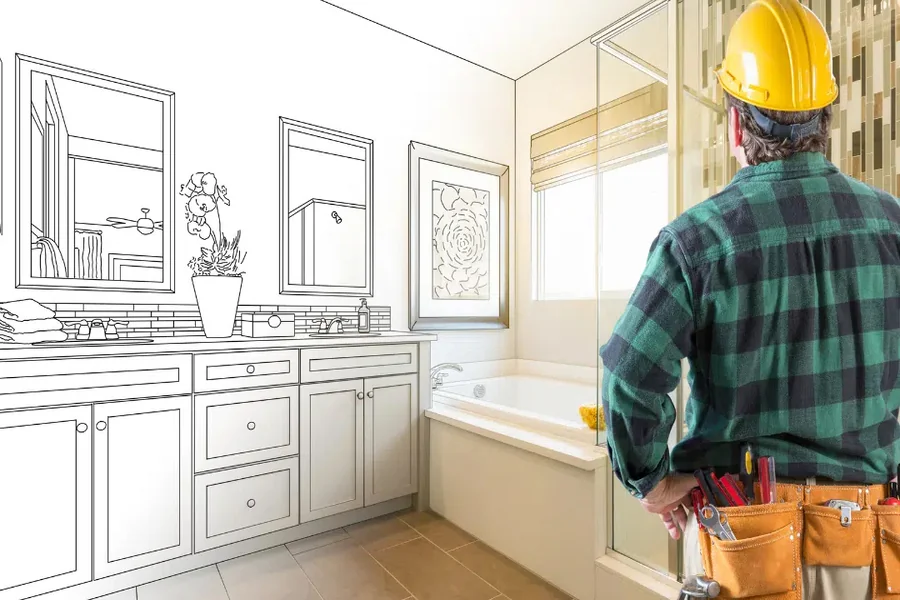
Creating a pleasant living space does not always require a major renovation. With a few thoughtful changes, you can make your home feel warmer, more organized, and more personal without spending a fortune โต๊ะกินข้าวไม้สัก.
Start With Better Organization
One of the easiest ways to improve a home is to reduce unnecessary clutter. When too many items are placed on tables, shelves, and floors, even a large room can feel crowded.
Begin with the areas you use most often. Look at your living room, kitchen, bedroom, and entrance. Remove things that you no longer use or need. Items that are rarely used can be stored properly instead of taking up valuable space.
Storage baskets, shelves, cabinets, and simple organizers can also make a significant difference. The goal is not to hide everything but to give frequently used belongings a designated place.
A well-organized home is easier to clean and can also make daily routines less stressful.
Make Better Use of Natural Light
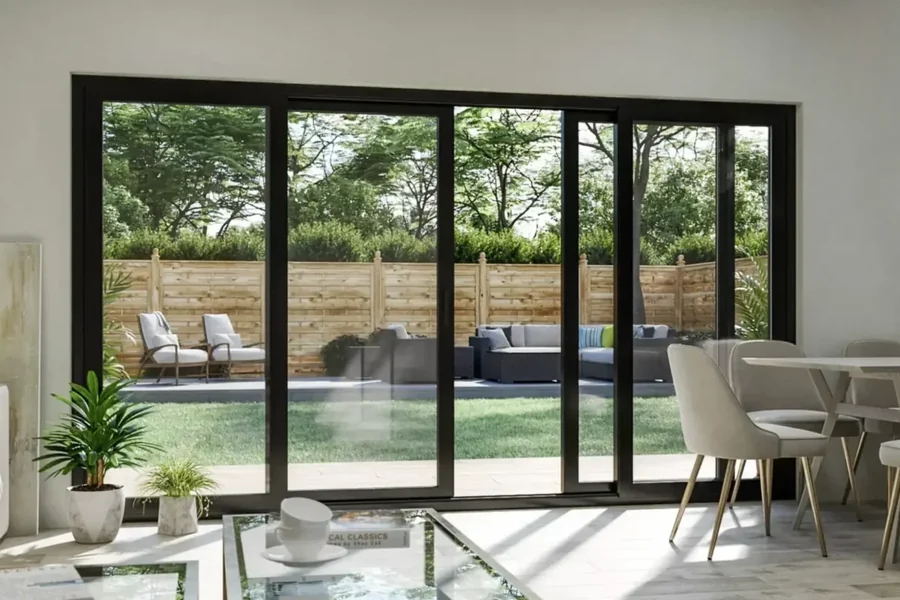
Natural light can completely change the appearance of an interior. A room with plenty of daylight often feels larger, cleaner, and more inviting.
Keep windows free from unnecessary objects and choose curtains that allow sunlight to enter during the day. If a room does not receive much natural light, mirrors can help reflect the available light and make the space appear brighter.
You can also use lighter colors for walls, furniture, and decorative elements. Soft shades of white, beige, cream, and light gray can help create an open and peaceful atmosphere.
Artificial lighting is important too. Instead of relying on one bright ceiling light, consider using table lamps, floor lamps, or wall lights to create different levels of illumination.
Choose Colors Carefully
Color has a strong influence on the character of a room. You do not need to repaint your entire house to introduce a new color scheme.
Start with smaller elements such as cushions, rugs, curtains, artwork, or decorative pieces. Neutral colors can create a calm foundation, while small touches of blue, green, yellow, or warm earth tones can add personality.
For bedrooms, many people prefer softer and calmer shades. Living rooms can accommodate warmer or more expressive colors, depending on personal taste.
The most important thing is consistency. Try to choose colors that work well together instead of using too many unrelated shades throughout the same space.
Add a Touch of Nature
Plants can make an interior feel more lively and refreshing. They are also an easy way to introduce color without making major changes to a room.
If you have enough natural light, consider placing a few indoor plants near windows or in empty corners. Smaller plants can work well on shelves and desks, while larger plants can become attractive focal points.
For people who have limited time for plant care, low-maintenance varieties may be a practical choice. Even a small amount of greenery can make a noticeable difference in the overall appearance of a room.
Fresh flowers can also add a pleasant touch, especially in common areas such as the dining room or living room.
All we have to decide is what to do with the time that is given us. There is some good in this world, and it’s worth fighting for. The greatest wealth is to live content with little.
Make the Living Room More Inviting
The living room is often the center of a home, so comfort should be a priority. Start with the seating arrangement. Furniture should be positioned in a way that makes conversation easy and leaves enough space for movement.
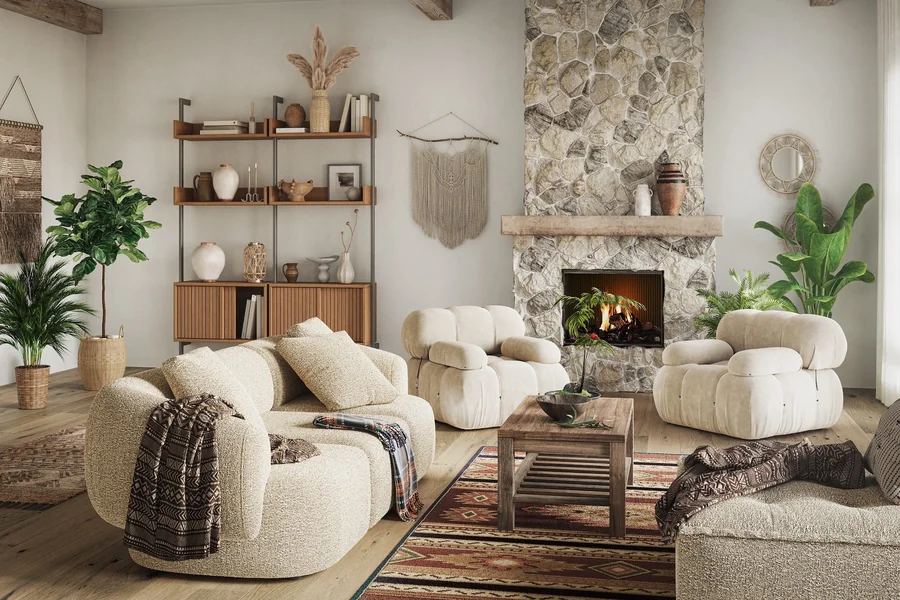
Soft cushions and comfortable throws can make sofas and chairs more inviting. A rug can also help define the seating area while adding warmth to the room.
Personal decorations are equally important. Family photographs, books, artwork, or souvenirs from trips can give the space a sense of identity.
However, avoid filling every available surface. A few meaningful items usually have more impact than a large collection of unrelated decorations.
Pay Attention to the Bedroom
A bedroom should feel peaceful and comfortable because it is one of the main places where you rest and recharge.
Keep unnecessary electronics and clutter away from the bed whenever possible. Choose bedding that feels comfortable and suits the season. Soft lighting can also create a more relaxing environment in the evening.
The temperature and ventilation of the room matter as well. Fresh air and a comfortable sleeping environment can make the bedroom feel much more pleasant.
Small changes, such as replacing old bedding or rearranging furniture, can sometimes make the room feel completely different.
Improve Your Entryway
The entrance is the first part of your home that you and your guests see. It does not need to be large or elaborate to make a good impression.
A clean entrance with a small rug, a mirror, a few decorative elements, and practical storage can look both attractive and functional.
If shoes, bags, and jackets tend to accumulate near the door, consider adding a simple storage solution. Keeping this area organized can make the entire home feel more orderly.
Create a Space That Reflects You
A home should reflect the people who live in it. Trends can provide inspiration, but there is no need to copy a particular interior style completely.
Think about the colors, furniture, photographs, artwork, and objects that make you feel comfortable. Personal touches are what turn a house into a home.
You can also change your decorations from time to time. Seasonal cushions, flowers, artwork, or small accessories can refresh a room without requiring a major investment.
Final Thoughts
Making a home more comfortable does not have to involve expensive furniture or complicated renovations. Better organization, natural light, thoughtful colors, greenery, and personal details can all contribute to a more welcoming environment.
The best approach is to make changes gradually. Start with one room or one area and focus on improvements that will have the greatest impact on your everyday life.
Ultimately, a comfortable home is one that works for the people who live there. Whether your style is modern, traditional, minimalist, or eclectic, the goal should be to create a space where you feel relaxed, comfortable, and genuinely at home.